

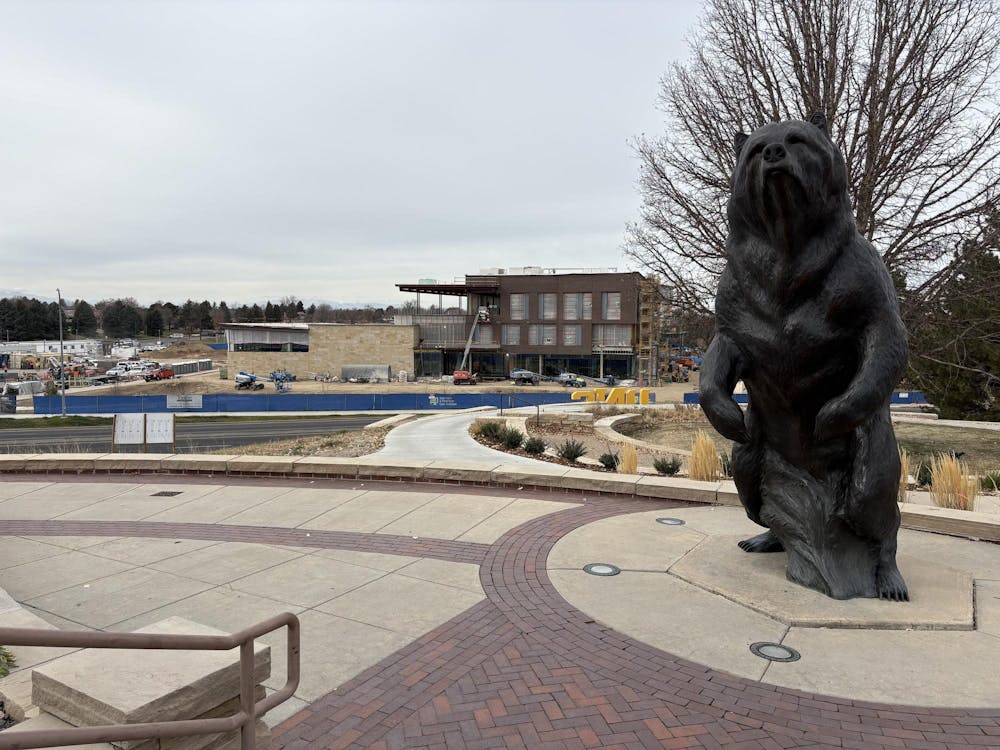
As student-athletes walk onto Nottingham Field for practice or faculty make their way toward West Campus from the parking lots, cranes have become part of their daily view. The beams, the dirt piles and the nonstop hum of machines have all become part of the routine. The metal and concrete rising into the sky send a clear message: UNC is building something big.
But for a lot of students, especially athletes, another message comes through just as loudly. While the future grows, the present feels forgotten. UNC has been moving forward with the construction of its new College of Osteopathic Medicine, a multi-million dollar project university leaders say is necessary for Colorado’s long-term health needs. At the same time, UNC faced a projected $14 million budget deficit by 2027 and completed around 50 staff and faculty layoffs in November. With one area on the rise and another aspect on campus being left alone, it has been very difficult for many students to find the grey line.

The medical school is funded through donors, revenue bonds and designated state support, which means the money cannot be used for athletics or general campus needs. Alongside all of this, many student-athletes say watching the massive project rise while their own facilities age feels like a clear sign of where UNC’s priorities lie.
Senior track and field athlete Edgar Garcia said he supports the university’s growth, but that doesn’t make the moment any less confusing.
“Sometimes it feels like students don’t really know what’s going on,” Garcia said. “Obviously, I would love it if we had an indoor facility or a bigger football stadium, but a project this big changes the whole campus.”
Garcia said athletes want transparency as much as anything.
“We hear about layoffs. We hear about athletics budget issues. And then we see cranes every day,” he said. “It’s hard not to wonder where we fit.”
UNC President Andy Feinstein said he understands why students are asking questions about timing and priorities.
“UNC addresses the needs of our community,” Feinstein said. “We help students realize their dreams, but we also tackle big problems like the healthcare shortages in our state.”
Feinstein also made it clear that funding for the osteopathic medical school cannot legally be redirected, no matter what other areas of campus are needed.
“Donor intent is very important,” he said. “Every major donor who contributed did so specifically for medical education. It was never a choice between athletics and the medical college.”
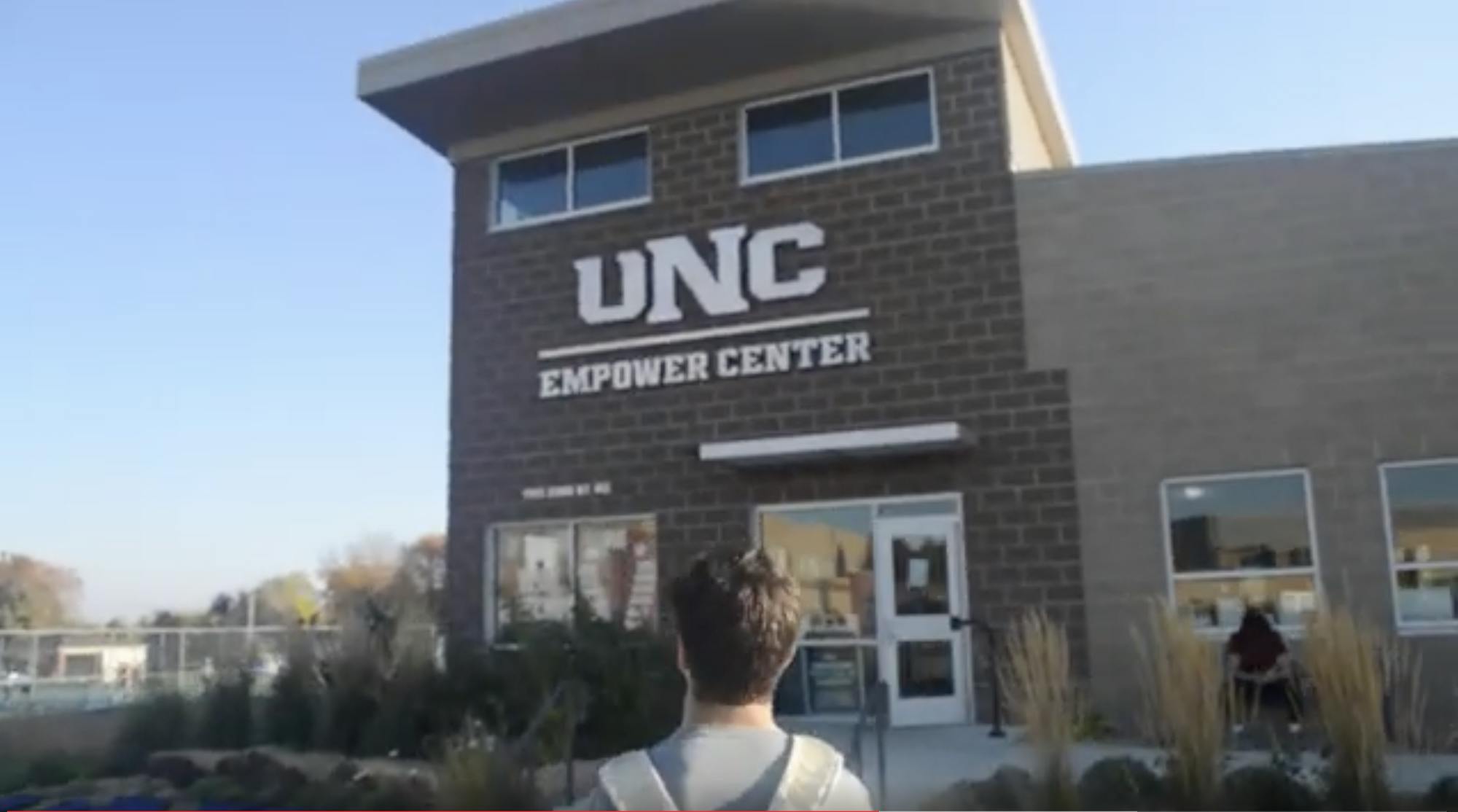
Still, the separation on paper doesn’t make the day-to-day experience feel any different for athletes training or competing in facilities that have looked the same for years. For many athletes, the frustration isn’t just about what’s being built, it’s about what hasn’t. The last time UNC opened a new athletics facility was the Empower Center, which opened its doors in 2022. Since then, athletes say their training spaces have largely remained the same while major academic projects continue to break ground.
Sophomore wide receiver Keenan Campbell said he respects the importance of investing in a medical school, but the difference in support feels obvious.
“As an athlete, I absolutely respect the importance of investing in the medical school and understand how much it benefits the university,” Campbell said. “At the same time, it can feel discouraging when athletics doesn’t receive the same level of support, especially considering the time, dedication and representation we bring to the school.”
Campbell said athletes recognize that academics take priority, but they hope to see athletics receive more visible support.
“We understand academics come first, and I don’t expect athletics to be prioritized over academics,” he said. “We just want more investment in our facilities. Even small things like stadium lights or better locker rooms would go a long way."
Other athletes echo the same sentiment. Junior softball player Abby Gaona said the lack of investment is felt in everyday details that add up over time.
“We just want better support,” Gaona said. “More food in the weight room, a better stadium, bigger locker rooms, more media outreach and apparel we can actually keep. Even basic things like real stadium bleachers for our field or an athlete-only dining hall with real quality food would make a huge difference. As an athlete, it honestly makes me feel underappreciated.”
Across campus, UNC’s financial challenges are real. The university cited enrollment drops, low state funding and fewer staff departures than expected as factors behind the deficit and layoffs. Those cuts left some departments uncertain and stretched thin.
Athletics was not cut this fall, but student-athletes say they still feel the weight of those financial pressures, especially as Division I competition ramps up with NIL, the transfer portal and major facility investments at other schools.
Feinstein said athletics remains important to the university, but acknowledged the financial reality.
“I’m proud of our Division I program, but it’s becoming increasingly expensive,” he said. “My priorities are on education, but athletics builds community. We want our student athletes to succeed on the field and in the classroom.”
While those tensions play out, the College of Osteopathic Medicine continues to rise. The school is expected to help address Colorado’s doctor shortage of up to 2,424 primary-care physicians by 2030. That shortage is already being felt locally.
“The wait times here are real,” said Dr. Jaime Hinojosa, chair of anatomy and one of the founding leaders of the new college. “I had to wait two months just to get my kids a pediatric appointment. The need is huge.”
Hinojosa said osteopathic physicians bring a hands-on approach that can be especially valuable in rural and underserved areas.
“They can help with everyday ailments, muscle tension, pain, mobility issues,” he said. “Those things really matter.”
The college’s admissions expect to enroll 75 students in the first year, a number many believe will bring new academic opportunities, research partnerships and long-term financial stability.
“This is going to make UNC stronger, academically and financially,” Feinstein said. “At the end of the day, this is about meeting Colorado’s needs and shaping UNC’s future.”
Still, for the students who are on campus right now, especially athletes putting in hours of training every day, the present feels just as important as the future being built.
“For us, everything is immediate,” Campbell said. “We’re competing today. We’re training today. We’re trying to make this school proud today.”
Garcia said progress is good, but balance matters.
“It’s great that UNC is growing,” he said. “We just want to grow with it.”
For now, the cranes keep moving, the beams keep rising and the medical school climbs higher every week. And across campus, athletes keep practicing, lifting, running, pushing and hoping their turn for investment will come.

Something’s Brewing in Downtown Greeley

Caught On Camera: What You Need To Know About Flock


