

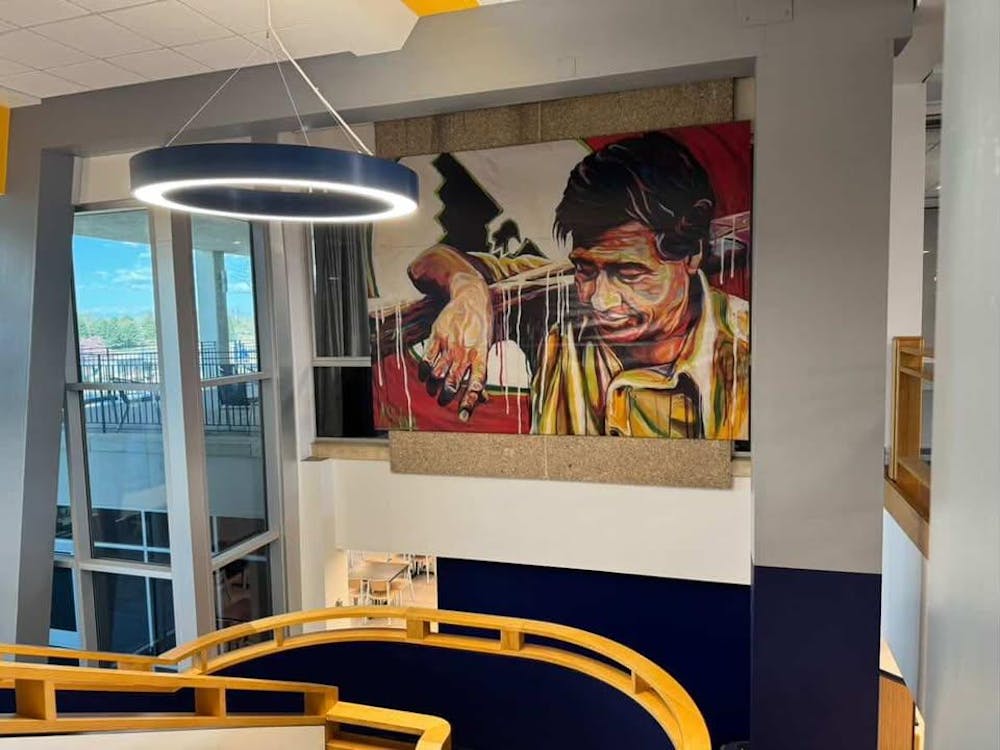
University of Northern Colorado students are calling for the university to rid itself of the name and murals of César Chávez, a civil rights icon who is under scrutiny after new allegations emerged of him sexually assaulting multiple women and children.
Chávez was a Chicano civil rights activist and co-founder of the National Farm Workers of America, also known as the United Farm Workers of America. He was a key leader in improving working conditions and payment for Chicano workers.

The NFWA took part in the 1965 Delano Grape strike, which lasted for five years. The strike succeeded, granting farm workers a 40-cent-per-hour raise. Chávez further helped champion workers' rights in the 1970s through hunger strikes and other peaceful methods of civil disruption.
At UNC, Chávez is ingrained into campus culture. A mural of Chávez in the University Center overlooks the student body. A University Archives exhibit of the UFWA rests in the basement of the Michener Library, highlighting Chicano resistance. The most well-known cultural center on campus is named after him and just celebrated its 40th anniversary.
Though UNC celebrated Chávez for decades, his presence on campus now faces scrutiny after allegations of abuse emerged.
In March, The New York Times published an investigative piece on Chávez, which alleges that he raped and groomed Dolores Huerta, a fellow civil rights activist, and several children.
Huerta co-founded UFWA with Chávez and Gilbert Padilla. In 1973, she led another grape strike. This resulted in the California Agricultural Labor Relations Act of 1975, which allowed employees to unionize. Huerta is one of the most influential civil rights icons in the United States, and spoke for Chicana/o rights, LGBTQIA+ rights and workers rights.
Many UNC students are calling for the university to eliminate Chávez’s presence on campus.
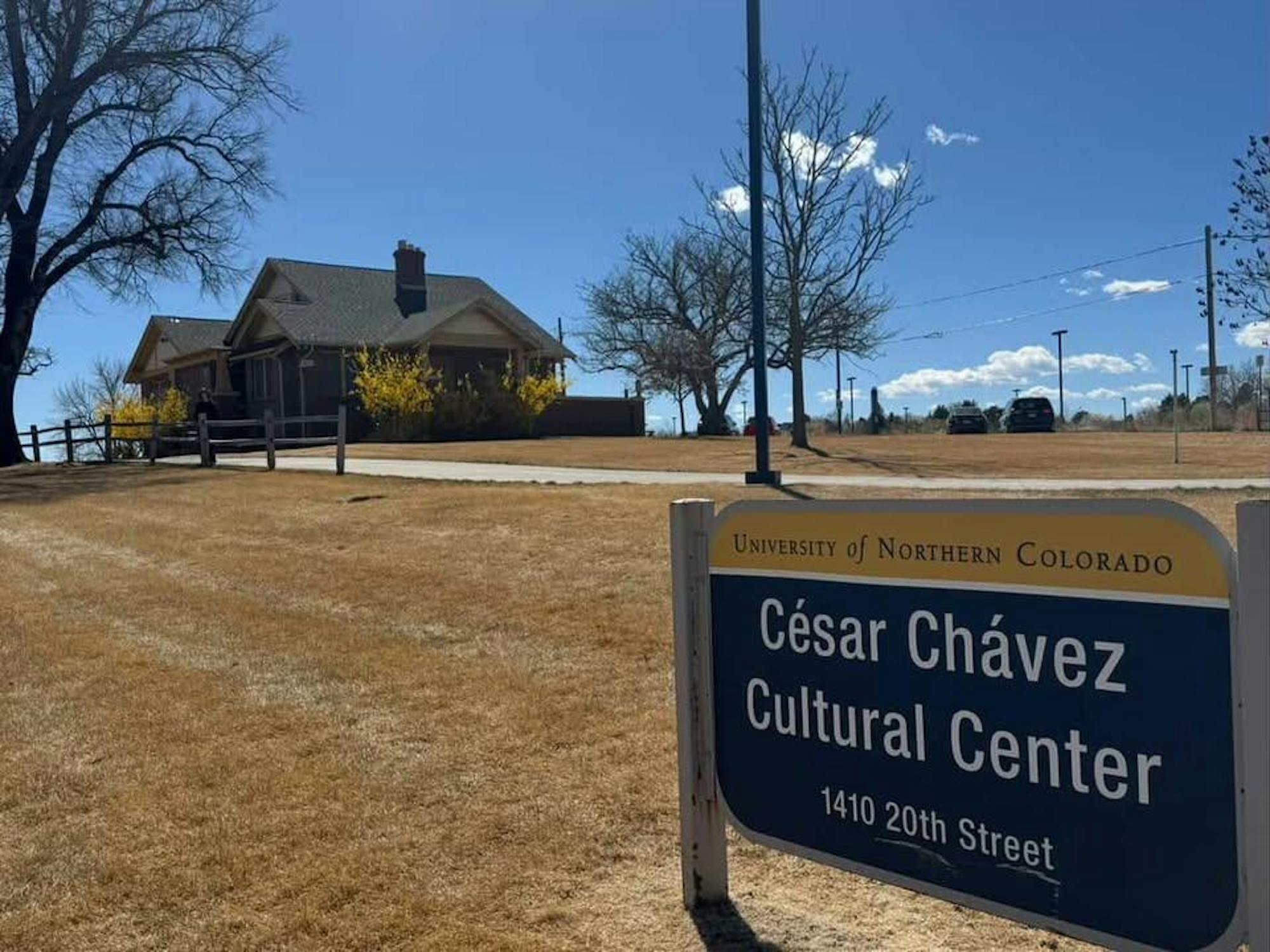
Andres Mora is a second-year criminal justice and journalism major. He frequents the César Chávez Cultural Center, and wants the center to change its name.
“I don’t think we should be platforming people who have caused so much pain,” Mora said. “Especially since that pain is still living on with these victims.”
According to a written statement about the allegations on Medium, Huerta had remained silent about the abuse because she was worried that the allegations would negatively impact her life's work.
“I am nearly 96 years old, and for the last 60 years have kept a secret because I believed that exposing the truth would hurt the farmworker movement I have spent my entire life fighting for,” Huerta said in the statement.
Mora further stated that though he believes that the center should change its name to support the victims, he is unsurprised at the allegations.
“There have been so many instances of civil rights leaders being exposed for things like that,” Mora said.
The argument of removing and changing institution names over historical figures' actions is long standing and not without major controversy. Many parks, libraries, centers and streets were named after Chávez. In Denver, a monument to Chávez in a park is being removed following the allegations.
Not all students agree with Mora on renaming the center.
Kainoa Nardo is a first-year elementary education major who finds that many students still connect with Chávez’s name.
“I feel like just renaming it, it’s just something that I think won’t need to be done,” Nardo said. “I think it’s something that people connect with a lot, just the name of it.”
Other students, like Jose Jorge, are wary of a name change, citing that naming institutions after people always carries a risk.
“If you rename it to a person, you don’t know that person completely,” Jorge said. “So, something might come out… Like what happened with Chávez.”
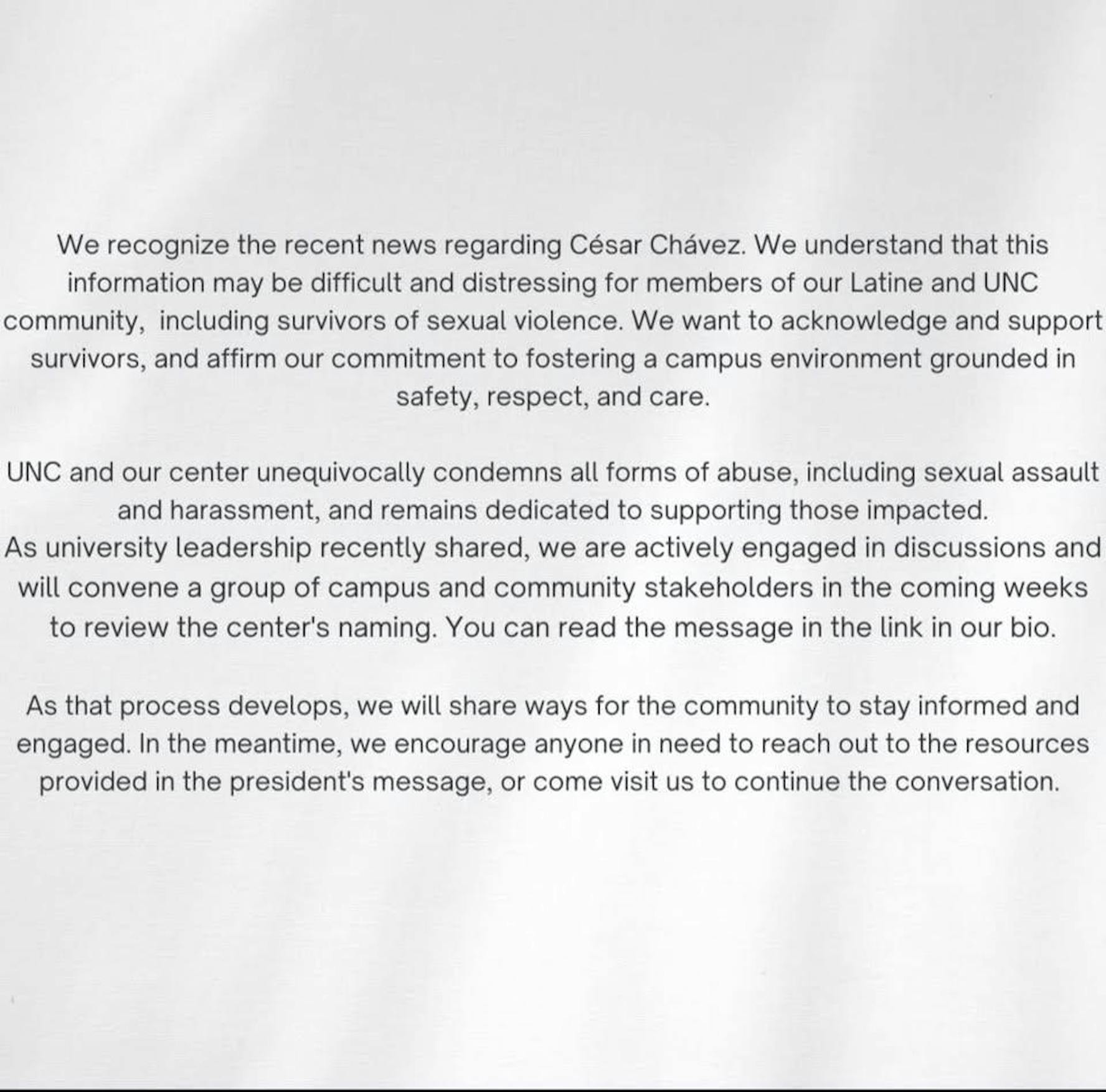
A press release from the center stated that the center will be reviewing the possibility of a name change in coming weeks.

Greeley Sales Tax Measure 2F Puts Catalyst Project Back in Spotlight

UNC Track Builds Culture Beyond the Track


