

The room falls quiet in a way that feels heavier than silence. It’s the kind of quiet that lingers. It settles over stories that are hard to hear and even harder to forget. Decades after the Holocaust, the weight of those memories still carries, reminding us why remembering history is so important.
In Greeley, that responsibility extended beyond a single moment. Over the course of a week in an event called Voices from the Holocaust, the community gathered for a series of events dedicated to remembrance. Bringing together people from everywhere to reflect on the Holocaust. The week included a memorial service, keynote speakers, book discussions and film screenings.

At the center of the week’s events was Sylvia Ruth Gutmann, a hidden child survivor. Standing before a full room, Gutmann shared what it meant to grow up in a world where safety could disappear overnight and her journey to the United States of America.
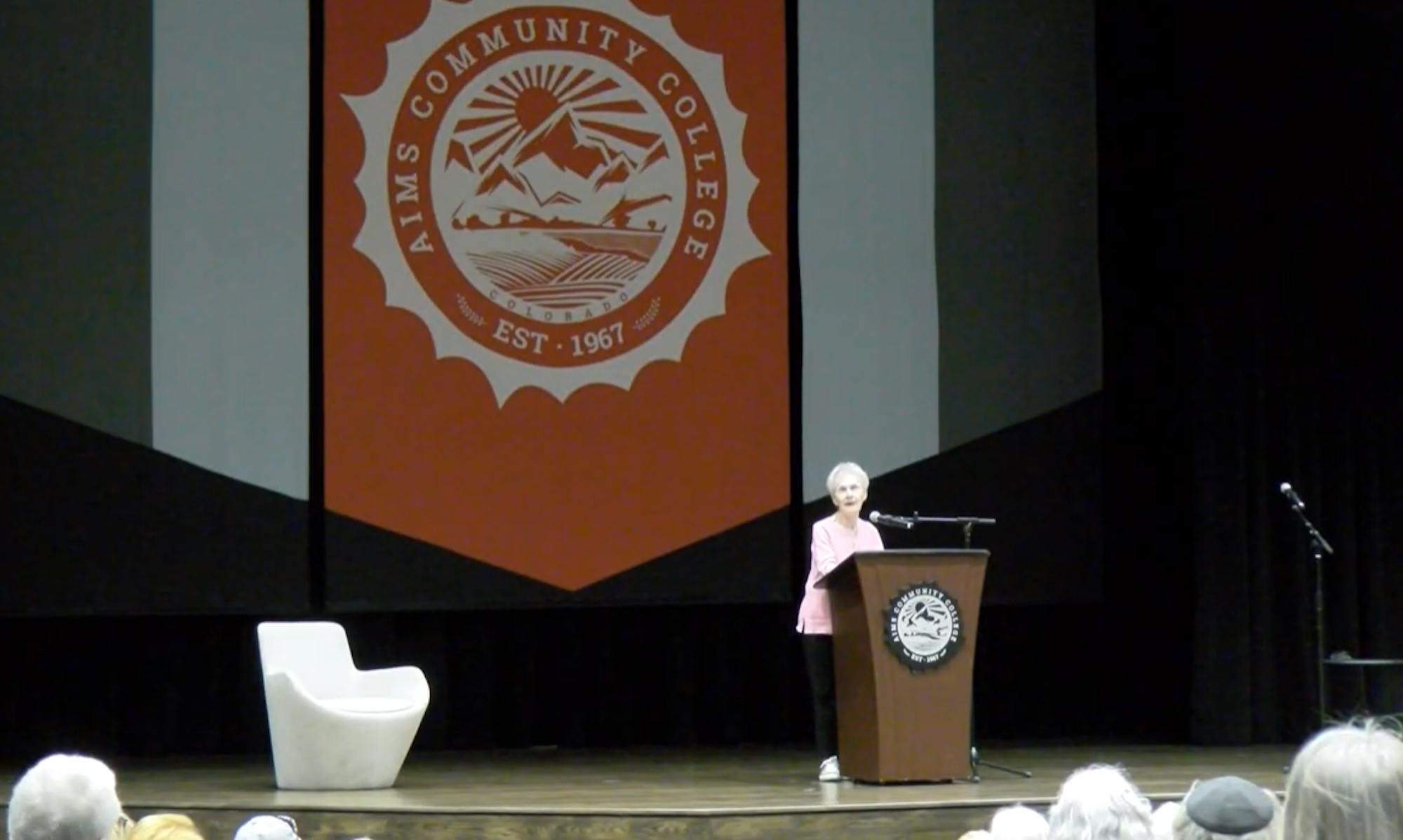
Sylvia Ruth Gutmann delivers a powerful speech about resilience.
“I bought a little townhouse in San Diego. Beautiful country,” she said.
Her story unfolded through moments of uncertainty and quiet resilience. Rather than focusing on graphic detail, Gutmann described the emotional reality of her childhood and what it meant to be separated from family and adapt quickly.
For many in attendance, hearing directly from a survivor added a layer of understanding that extended beyond the week’s other events. While films and discussions provided historical context, Gutmann’s voice brought a human connection that made the history feel immediate.
But the impact goes beyond the room where Gutmann spoke. This remembrance matters beyond a week of events. If history is not remembered, it is bound to repeat itself.
“Great tragedies like the Holocaust profoundly reshape the world. If there is hope of avoiding such events in the future, we must be vigilant in not just remembering but studying how such tragedies like the Holocaust came to be in the first place,” said Aaron Haberman, Ph.D., chair of the Department of History at UNC.
The variety of events throughout the week played an important role in reaching different audiences. Film screenings allowed attendees to visualize history, book discussions encouraged deeper analysis and the memorial service created space for reflection. Together, they formed a more complete picture of the Holocaust and its lasting impact.
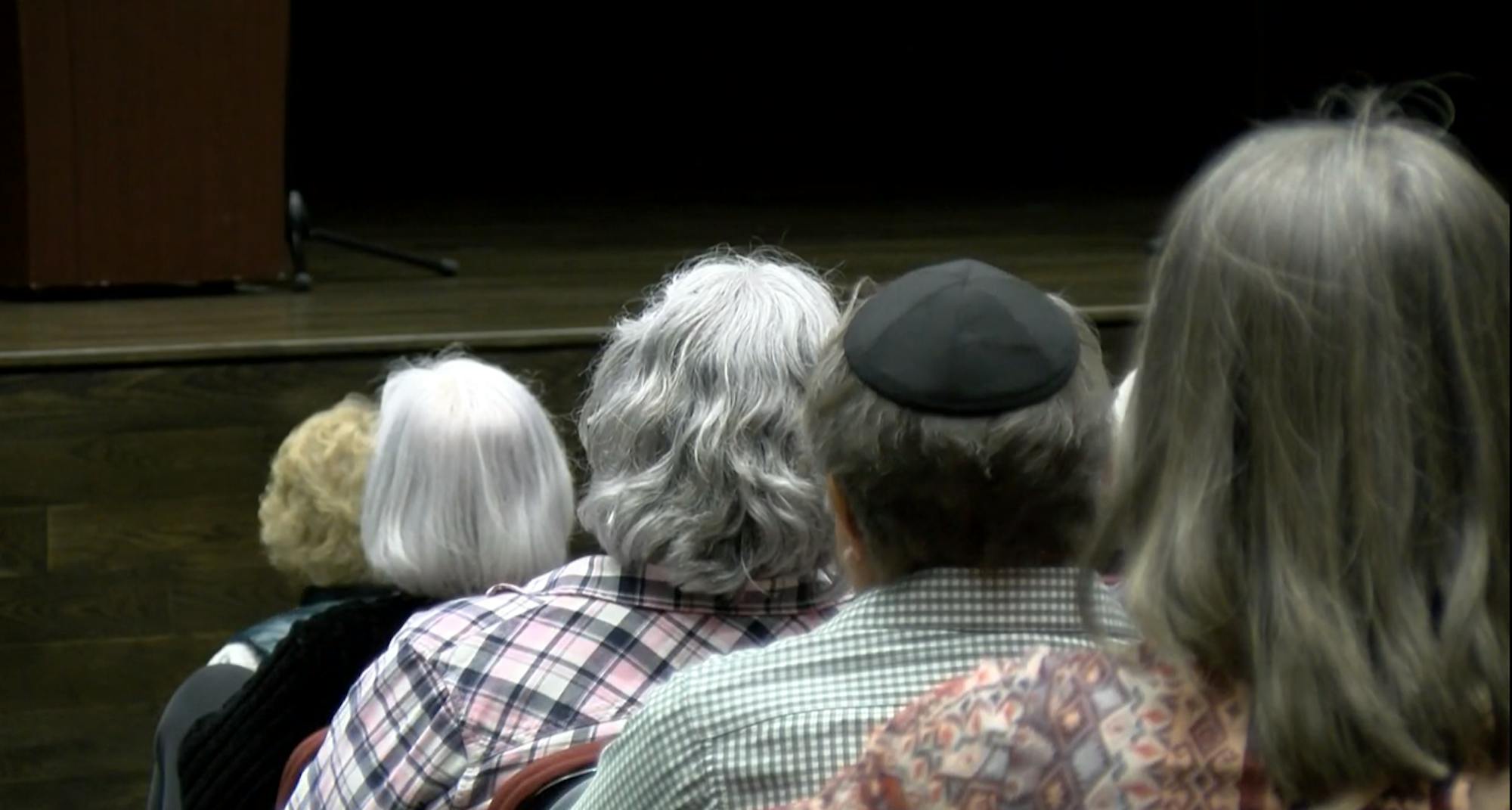
The audience watches Sylvia Ruth Gutmann’s emotional speech.
“Remembrance events like the one held yearly in Greeley and at UNC for the Holocaust can give those younger generations an opportunity to learn about the past and hopefully stimulate more questions and inquiry,” Haberman said.
That message carried throughout the week, as each event reinforced the importance of not letting history fade into the background. Whether through conversation, reflection or storytelling, the goal remained the same: to ensure that the lessons of the past continue to shape the present.
For students and community members alike, the week became more than a series of events; it became an opportunity to engage with history in a meaningful way. The combination of education and personal storytelling created an experience that extended beyond the classroom, encouraging attendees to think critically about their role in remembering and responding to the past.
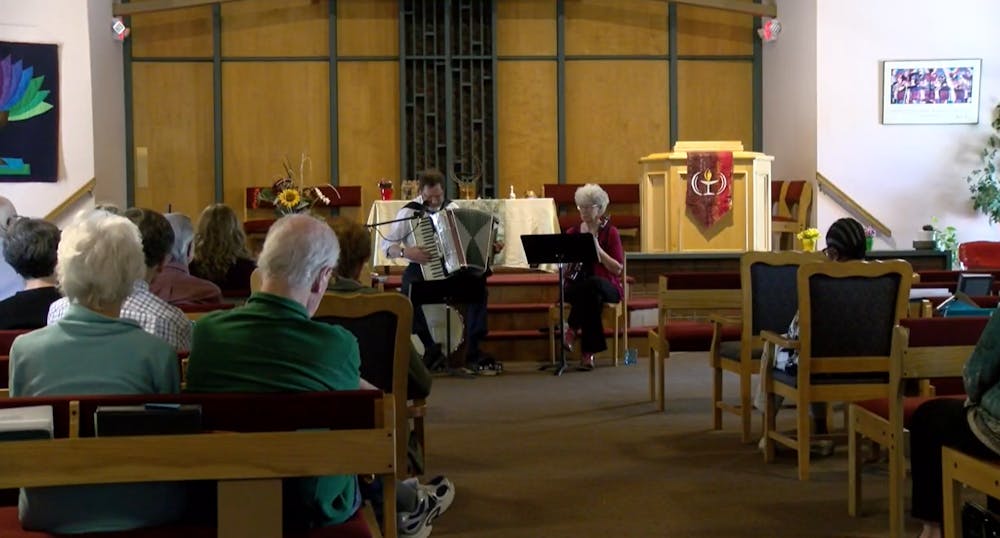
Even though the week was filled with emotional speeches and reflection, it ended in celebration. On the last day of the week, the Klezmer band, Klez Dispensers, performed at the Unitarian Universalist Church. Band member Ben Cohen shared the history of the music and how the band came to be.
“In Europe, it was because of the Holocaust and that's what really destroyed the tradition there,” Cohen said.
Klezmer is a traditional style of Jewish folk music that originated in Eastern Europe. It was originally played at celebrations like weddings and community gatherings, often led by traveling musicians who passed the music down by ear rather than written notes. Known for its expressive melodies, klezmer often blends joyful, mournful and reflective tones within the same piece, capturing a wide range of emotion.
They played for over an hour and even invited the crowd to join in at moments, creating a space that felt both joyful and welcoming for attendees to celebrate culture and reflect on its endurance, showing that the Holocaust did not destroy a culture but, in many ways, reinforced its resilience.
“We perform and talk about Klezmer music, but we always try to sort of leave as the last piece of programming," Cohen said. "We try to leave things on more of an upbeat note and hope."
As the week came to a close, the quiet returned, but this time it was full of stories and a shared understanding that remembering is not just about honoring the past, but it’s about shaping what comes next.

Greeley Sales Tax Measure 2F Puts Catalyst Project Back in Spotlight

UNC Track Builds Culture Beyond the Track


