

Journalists are under constant scrutiny, and they have to be. Reporting requires a reporter to maintain their honesty and credibility no matter the subject, be it a strike, fire or even just a city council meeting. There must be a level of trust between a reporter and a viewer, otherwise no information can be shared.
But what if that reporter was judged as dishonest simply because she was a woman?

Women in the media industry are under constant scrutiny because of sexism.
Men dominate the media industry, making up about 68% of the United States news media employees, according to the Women's Media Center. The reason women are not as common in news media has to do with the gender credibility gap.
The gender credibility gap refers to the phenomenon of women being perceived as inherently more dishonest than men. This is not to say that everybody views women as pathological liars, but rather that women must work considerably harder than their male counterparts to be believed.
In news media, credibility makes or breaks your career.
Anne Delaney is a sports reporter for the Greeley Tribune and has been working as a journalist for over 20 years. She finds that it is difficult for a woman to hold onto credibility in the public eye.
“I have felt like, ‘Yeah, I’ve got to know what I’m doing here,’ because my credibility might be challenged more quickly than a guy, than a man,” Delaney said.
This scrutiny extends beyond just storytelling–looks and speech in women’s reporting are under constant review.
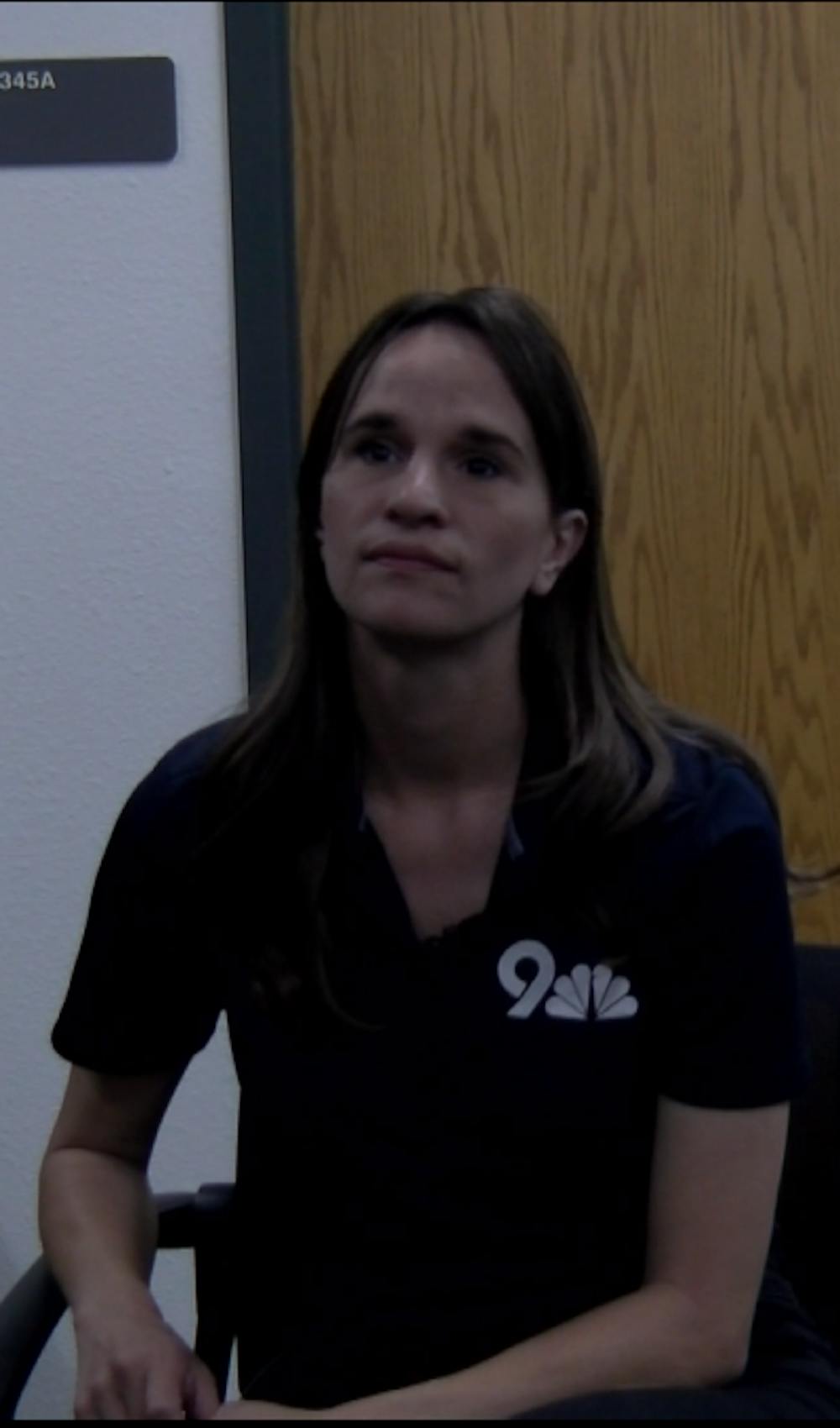
Amanda Gilbert is an Emmy-nominated multi-media journalist who has been working in the field for over 10 years. Despite her storytelling skills, she reports that the majority of comments on her work has to do with her appearance.
“A lot of feedback I've gotten tends to focus on just my appearance or sound or presence,” Gilbert said. “It’s just the double standard of being too much or not enough.”
Delaney agrees with Gilbert over the matter of appearance being held in a higher regard than a woman's reporting abilities.
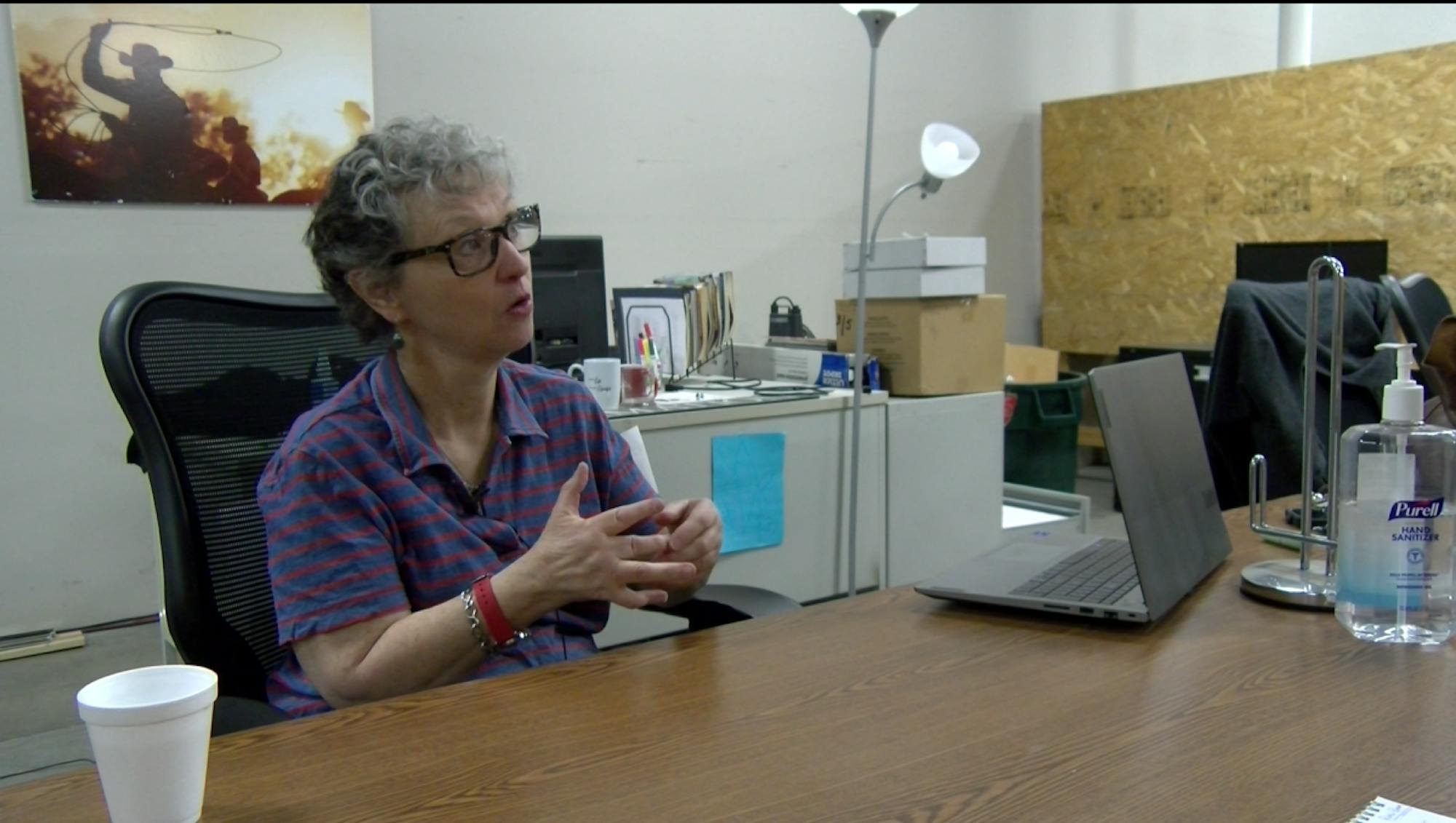
“I think the backlash that a woman could receive could be for different reasons,” Delaney said. “It could be because of her looks. It could be simply because someone is threatened by a woman being in a world that has predominately been a man's world.”
Gilbert said that safety is one of the biggest issues she faces as a female reporter.
“I worked alone at weird hours a lot,” Gilbert said. “I've definitely run into some weird encounters where men have said inappropriate things just kind of quickly passing by.”
According to a report by UNESCO about the safety of journalists, 73% of female journalists reported that they were subject to online violence, 25% were threatened with physical violence and 18% were threatened with sexual violence.
“I work alone a lot,” Gilbert said. “and I've had people yell at inappropriate things at me while I'm working alone or shooting a live shot alone, which can be hurtful or a little scary. So it's definitely a safety issue, especially with women.”
Gilbert further explained that while working, her attention is focused mostly on doing her job, which can put her in dangerous situations.
“When you're working alone, especially for a live shot, your senses are dulled because you're listening to the show, you're paying attention to your camera,” Gilbert said. “So things can be a little scary, too, I would say.”
Andrea Grajeda is a reporter for the Greeley Tribune, covering public safety. She finds that issues concerning women's safety in journalism are a result of the Trump administration.
“It kind of feels like it's definitely swinging back,” Grajeda said. “And just like even the Trump case where he told like, that woman to, like, shut her mouth and things like that, where you think things are going well, and then they definitely start to go back.”
Trump's second term as president has seen an increase in attacks against reporters, with access to administrative events and the pentagon being restricted, lawsuits and retaliative deportations taking place.
Trump has a history of verbally attacking female journalists. In November of 2025, Trump told Catherin Lucey, Bloomberg News’ white house correspondent, “quiet, piggy,” following a question about his involvement in the Epstein files. In February of 2026, Trump scolded CNN’s Kaitlan Collins for not smiling and calling her “the worst reporter,” while she was also asking about his involvement in the files.
Issues with women's safety goes further than just verbal attacks, however.
Georgia Fort, an Emmy winning reporter, was arrested in January following her reporting on an anti-ICE protest in the Minneapolis area. She was indicted on federal charges involving conspiracy. She was released on the same day. Her branding as an aggressor was not just a result of the gender credibility gap, but also racism.
Fort is a Black woman, and according to the Columbia Journalism Review Black journalists are more likely to experience intense scrutiny and physical harm than white journalists. Furthermore, Black female journalists face marginalization within newsrooms due to systemic sexism and racism.
Despite the issues regarding sexism in the industry, Gilbert finds that journalism is becoming more inclusive, and encourages young women to pursue journalism.
“It's really important to just be proud of the work you're doing and know you're growing, and each day is a new day,” Gilbert said. “Just focus on yourself, because there's definitely going to be a lot of noise out there for sure.”

The 2027 Sundance Film Festival is putting down roots in Boulder.

Raging Over Rush


