

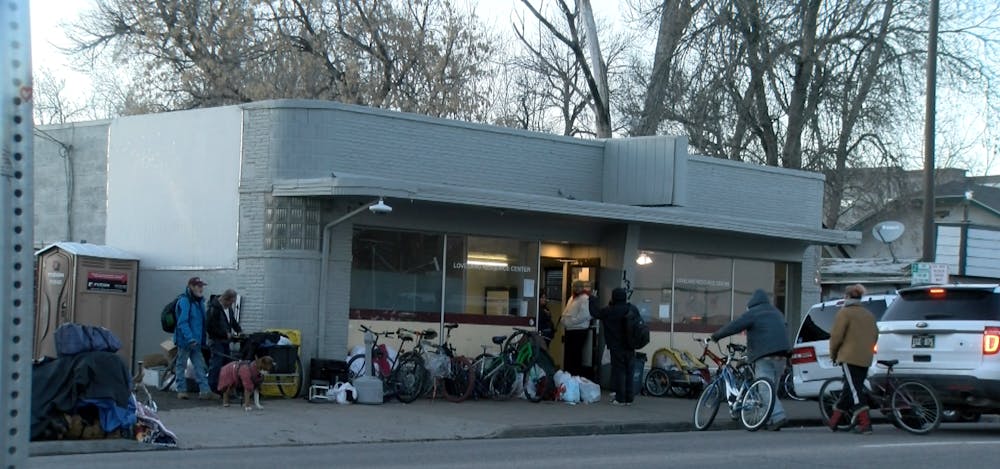
Greeley Colorado has changed significantly over the course of just a few years. A population boom beginning roughly around the 2010s elevated the city to a new level. With a greater population, it also meant new opportunities to expand and add more enticing attractions to the otherwise plain city. However, the last few years of growth have also highlighted a much less appealing detail of larger cities, and has conjured questions of resource management. This issue is none other than that of the homeless population that resides in Greeley. As the cost of living continues to rise with economic fluctuations, the question remains of how the city is reaching out and giving a helping hand to those who need it now more than ever.
The increase in the homeless population in Greeley has placed greater stress on resources such as the Weld Food Bank. Other elements such as policies enforced by the city have made finding shelter more difficult. Despite this, community efforts have transcended the obstacles.

A walk downtown in Greeley reveals many sights that have made the city a staple for many who visit. From the Moxi Theater, which hosts a wide variety of musical entertainment, to the plethora of restaurants, there's a little something for everyone. Just a few blocks down from the businesses on 10th Avenue sits Lincoln Park, a popular spot in downtown for many reasons. The various statues and historical markers make it a fun walk down memory lane while the playground equipment gives children a spot to get some of the energy out.
Yet, when the lights dim the park turns into a different sort of sanctuary. The homeless typically find shelter here, and the multitude of anti-homeless measures highlight this.
Structures, such as benches with rails in the middle to prevent lying down, are a physical example of acts against the homeless, but there also exists a more formal written retaliation. Effective as of June 11, 2025, the unauthorized camping ordinance prohibits the act of camping on public and private properties. The ordinance also limits the way individuals may publicly store personal items, so as to prevent a “camp” from being established. Greeley police chief Adam Turk, per the city of Greeley website, commented on the ordinance, highlighting that there is a silver lining to the decision.
“This ordinance is about striking a balance,” Turk said. “Our goal is to keep public spaces safe and accessible for everyone while continuing to support our residents through outreach and services.”
But the issue isn’t just from the camping ban, as residents have begun referring to it as, but also with the amount of resources available. Resources like the Weld Food Bank have been a core element in helping the impoverished. From mobile food banks, to weekly distributions, to even visits to schools, the food bank has done a huge amount of work to keep the community fed.
The strategies and outlook towards helping those in need has had to change drastically as more people in Weld County need the resources. Weston Edmunds, director of marketing and communications for Weld Food Bank, touched upon how they have addressed these challenges.
“We have found, even here, that we have had to take our resources and stretch them further… we haven’t been able to grow it in the way the need has grown,” Edmunds said. “A thing like inflation or recession or pandemic have not stopped us from operating. We just have to communally think of new innovative ways to deal with the situations we have in front of us.”
The contributions of volunteers are a critical piece of the puzzle when it comes to keeping resources available. Other cities such as Loveland have had to close the doors of homeless centers over the past few months due to actions by the city government.
The overnight shelter plans to fully close by April 30. Events like these have left hundreds of homeless individuals wondering what the next step is, or who is even looking out for them at all.
Initial plans to expand the Loveland shelters were cut short in January of this year after a letter issued to the city explained budget constraints.
“After a recent review of finances and forward planning for the recently-opened Ready to Work and Tri-Cities Navigation facilities in Englewood, we're finding that our cost of operations has been higher than anticipated,” said Dave Mauro, Bridge House Interim CEO. “It's possible in the future we could consider partnering on projects, but right now we have to focus on ensuring stability of our existing operations.”
The actions of the Weld Food Bank highlight a growing need in the community for shelter and resources. Yet, what is currently happening in Loveland reflects a larger issue of city management to get the help to those who truly need it. As homelessness continues to be an ongoing issue across the United States, both companies and individuals alike will have to continue to adapt against adversity.
“We have a very generous community,” Edmunds said. “Who not only gives their food and their financial support, but also their time.”

Women In Journalism: Fighting the Gender Credibility Gap

The Need for Political Science in a Politically Turbulent World


